
EVIL WORKS
MAKING DATA MODELING
EFFICIENT,
SECURE,
EXPLAINABLE
WORKING WITH DATA IS BROKEN
THE FUNDAMENTAL INFRASTRUCTURE OF DATA ANALYSIS AND MODELING IS BROKEN IN FOUR COMPOUNDING WAYS:



Working with Data is slow. A business question is asked that should take two weeks. Takes 6 months instead.


When Things Go Wrong it can take days to find the cause. The cost per hour of manufacturing shut down can be as high as £5M [1].
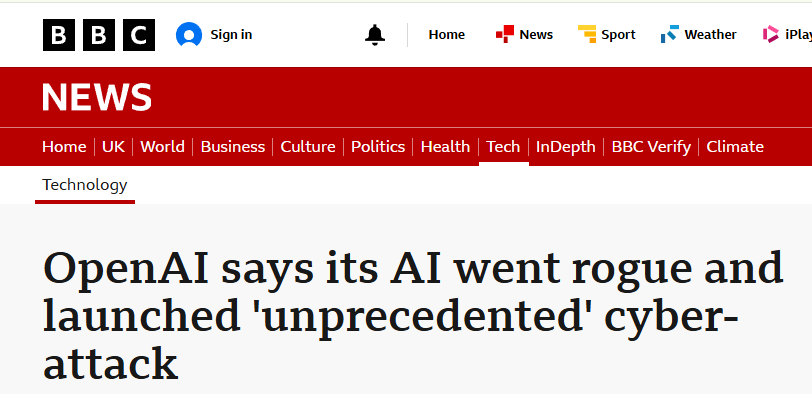
Security risks are real. Leakage of confidential information, guardrailed LLMs attempting to break out of sandboxes [3] and malicious code injection are all possible. The potential loss is unlimited.
Explainability is key. “Where does this number come from” can take days of investigation. Unexplainable results carry regulatory risk with real financial consequences of up 15,000,000 Euros [2].
Featured In
MAKE YOUR DATA MODELS EFFICIENT, SECURE AND EXPLAINABLE
Enable both human-led and AI assisted workflows without requiring an AI adoption. PUFF is not an AI platform but solves the same problem for humans and agents alike.

EFFICIENCY
TRACKS WHAT CHANGED, SAVING COMPUTE AND MAKING ROOT CAUSE ANALYSIS OFTEN INSTANTANEOUS.
EXPLAINABILITY
EVERY SINGLE NUMBER HAS FULL LINEAGE INFORMATION WHICH CREATES A FULL AUDIT TRAIL.
SECURITY
REMOVES THE THREAT OF MALICIOUS CODE INJECTIONS, LEAKED DATA AND DANGEROUS AI AGENT HALLUCINATIONS AND CONFIDENTIAL INFORMATION IS COMPLETELY RESTRICTED.

“PRODUCTION OUTAGES CAN COST US $3 MILLION PER DAY. PUFF IS A NOVEL SOLUTION TO THIS PROBLEM THAT I’VE NEVER COME ACROSS BEFORE”
For Data Scientists
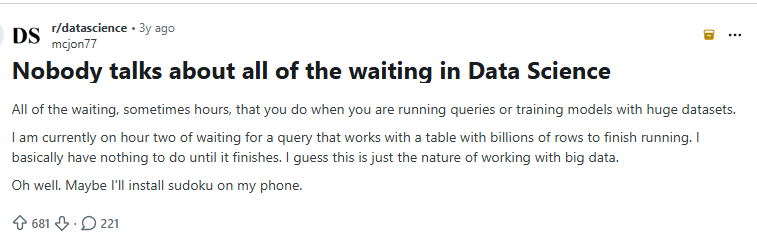
50-60% of your job is iteration, not insight. From kernels crashing to impossible expectations to debugging why your stakeholder thinks that number “looks weird”.
Iterate faster, produce faster, debug faster.

FOR DATA ENGINEERS,
ML ENGINEERS AND
AI ENGINEERS
FROM PAINFUL DEBUGGING TO UNWIELDY DAGS, THE DATA PIPELINE IS ITS MOST DIFFICULT WHEN THINGS GO WRONG. TURN DAYS OF PROBLEM INVESTIGATION INTO IMMEDIATE PROBLEM IDENTIFICATION WITHOUT NEEDING COMPLICATED CONFIGURATION SOFTWARE.
For Executives
A ten person team of data scientists, engineers and analysts spend 50% of their time waiting for code to run, costing £500,000 in salary alone in wasted time.
Production outages cost money through lost business, reputational damage, and regulatory fines costing millions of pounds in damage.
AI Agents leak data, break out of sandboxes and can be groomed to become malicious agents, leading to unlimited financial risk when things go wrong.
You don’t need to decide between efficiency, security and explainability.
Data Science Education
Mathematical concepts, best practices and thought leadership for data scientists. Dive into our blog to see what we’re thinking about right now.
Featured

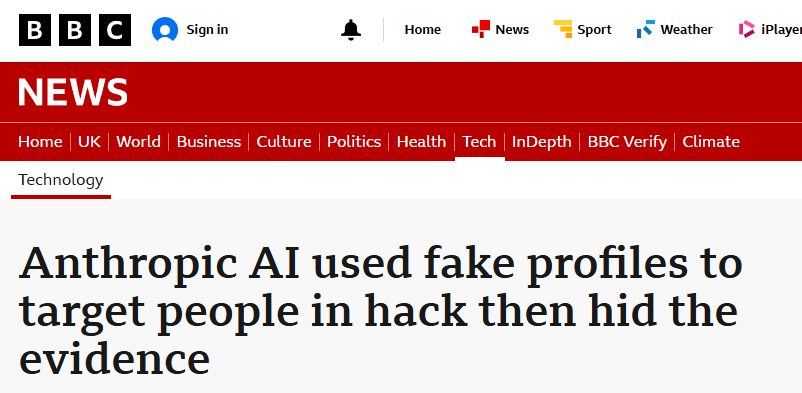
Guardrails are the the industry standard for LLM security concerns thus far, but with OpenAI breaking out of its sandbox and Gemini leaking private information, are guardrails really a good enough solution? In this video we talk about the AI safety concerns that, in our opinion, aren’t being treated seriously enough so far, and talk about our solution in dealing with some of the concerns when it comes to data science.