
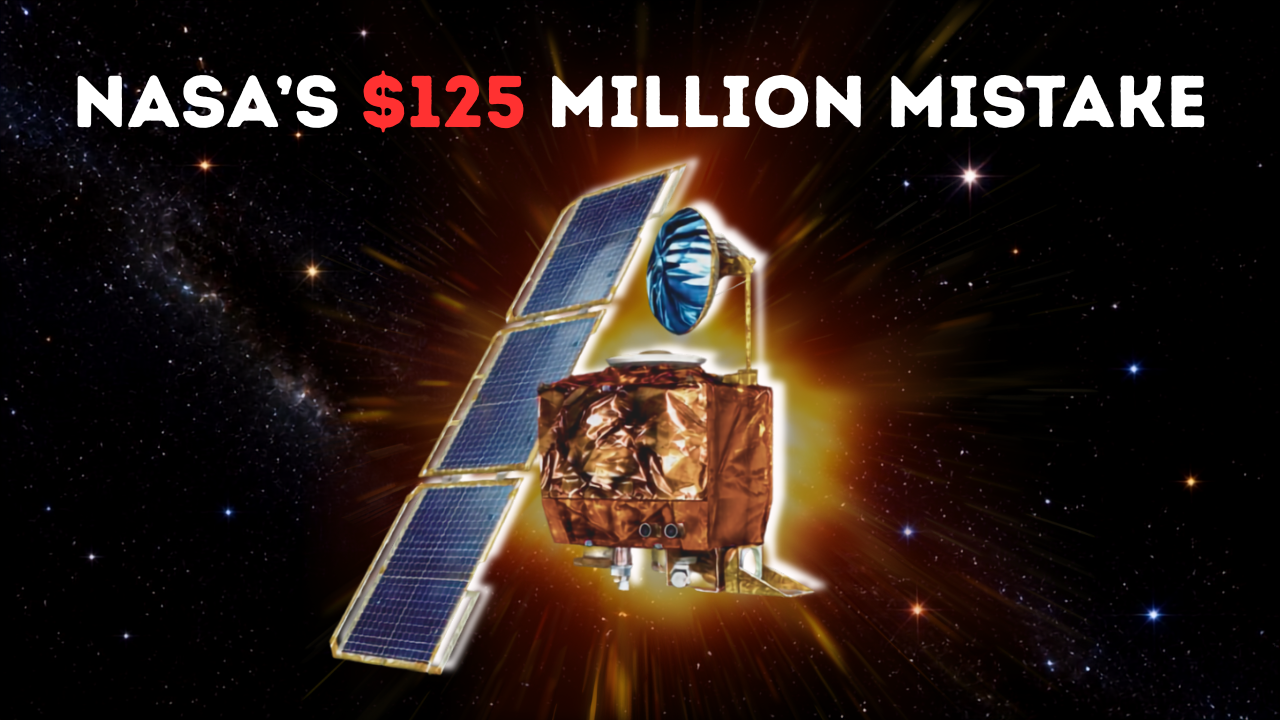
Units Killed NASA’s Mars Orbiter. Here’s how PUFF fixes it.
The mistake that brought down the Mars Climate Orbiter in 1999 was a basic maths mistake, one that’s still made in data science in this day and age. In this post we talk about how these problems happen, still even in 2026, and the way we’re fixing them for data scientists.

Why Fraud Detection Still Fails in 2026
Fraud detection in 2026 is powered by deep learning, massive budgets and yet fraud losses are still huge. In this post, we explore why traditional fraud models fail, and how graph-based fraud detection helps uncover fraud rings hidden inside connected data.
Stop Losing Days to Model Debugging
Every team that works with any data at all has been here. The model that was working fine yesterday is now producing numbers that are impossible and none of your Data Scientist, Data Engineer, ML Engineer or AI Engineer know why. It’s all hands on deck to get the problem fixed. But getting the problem fixed isn’t as easy as it sounds. While checking the logs might be quick, the investigation that follows can take days of debugging and in the meantime the entire production model is either down or running on models no one can trust. What if it didn’t have to take this long? In this blog we talk about exactly why model debugging is so painful and what it looks like when you can resolve the problem in minutes, rather than days.

Data Scientists, You Need To Talk To People (Here’s Why)
You can’t be an introvert in data science. This post shows why the real skill isn’t just building models but it’s getting stakeholders to agree on what success means before you write a single line of code. From recommendation systems to churn models to shifting business goals, I learned the hard way that the best model can still fail if the target is wrong, disputed, or outdated.
Actually Get Your Data Science Model To Production
You know your model gives a measurable improvement and you’re going to save your company time and money. How do you go from there to people actually using it? Today we’re talking about the release management process so your model can go from something on your local PC to something actually adding value to the company.
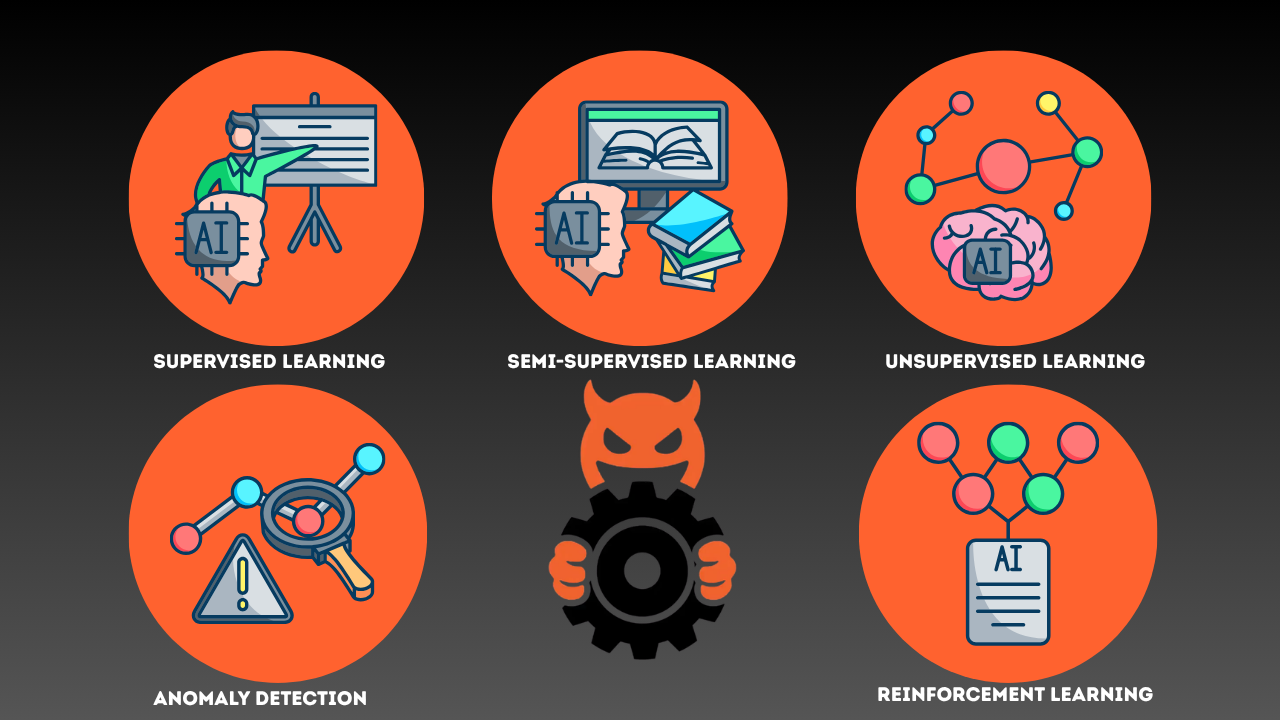
ML Explained In 10 Minutes!
Everyone throws around machine learning like they know what it means. Most don’t. In this video we break down all five types: supervised learning, semi-supervised learning, unsupervised learning, anomaly detection, and reinforcement learning. What each one actually does, when you’d use it in the real world, and the part most tutorials skip: where each one breaks.Whether you’re a data scientist, studying machine learning, or just trying to actually understand AI. This is the breakdown you should have had from the start.
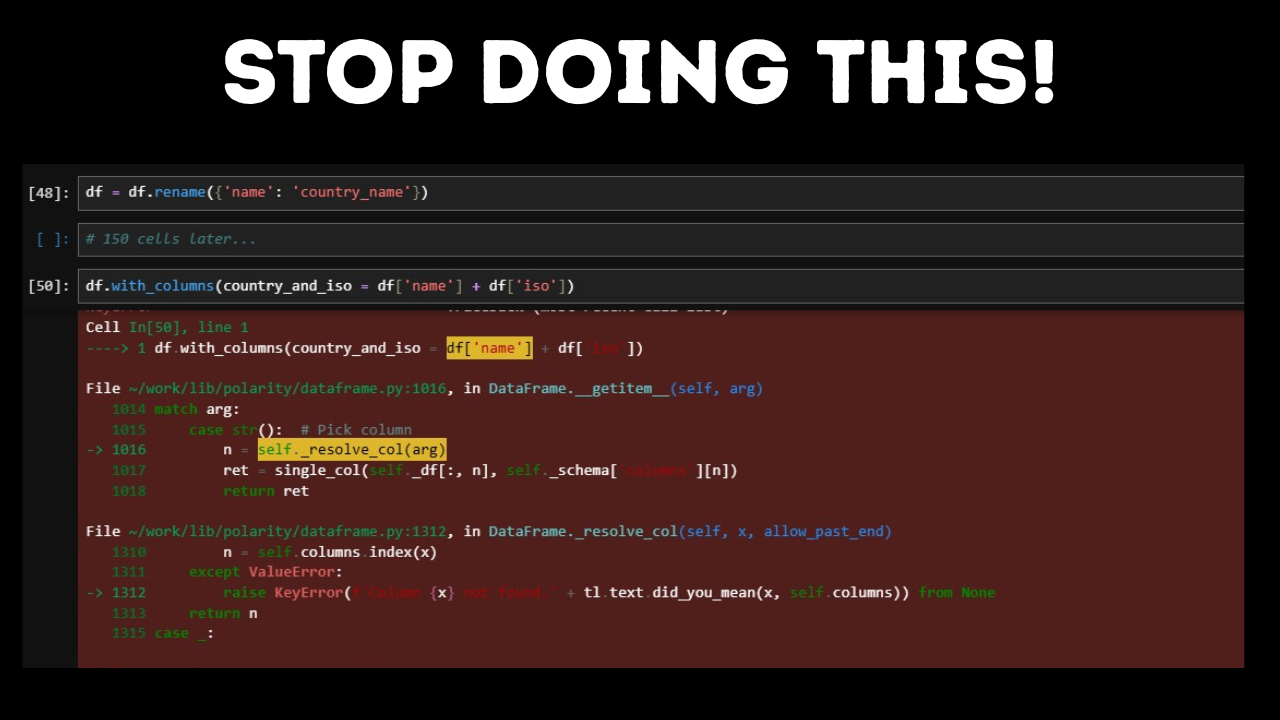
Your jupyter notebook IS NOT production - Part 2: Testing
A lot of Data Science education teaches you how to BE a data scientists but rarely does it teach how to WORK as a data scientist. In this post on this series we’ll be diving into how to test your code as a data scientist, including how to work with unit tests, regression tests, randomness and non-deterministic functionality as well as throwing in a few honourable mentions. Want to see more of this topic? Let me know in the comments. I’m weirdly passionate about unit testing!
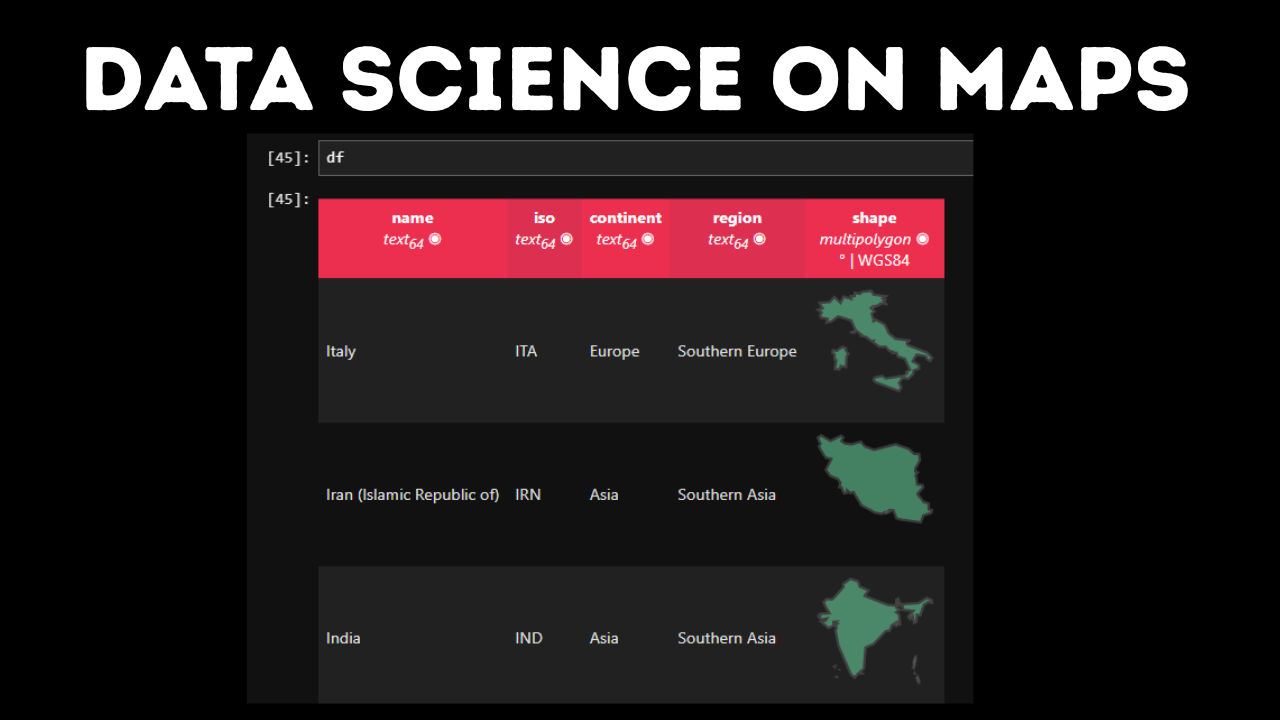
Yes, You Can Do Spatial Data Science
Your boss asks you to find the best location for a new store. “You’re a data scientist — this should be easy.”
You say: “Battersea.” Then comes the real question: “Where in Battersea?”
A neighbourhood isn’t enough, they need specific streets, footfall, and customer mix.
That’s where geospatial data science comes in.
Hypothesis testing for data scientists
A +40% revenue lift looks great… until your boss asks: “Why?”
You changed multiple things, but don’t know what worked.
Even single changes (like button colour) can look like wins just due to noise.
That’s why hypothesis testing exists, to separate real impact from randomness.
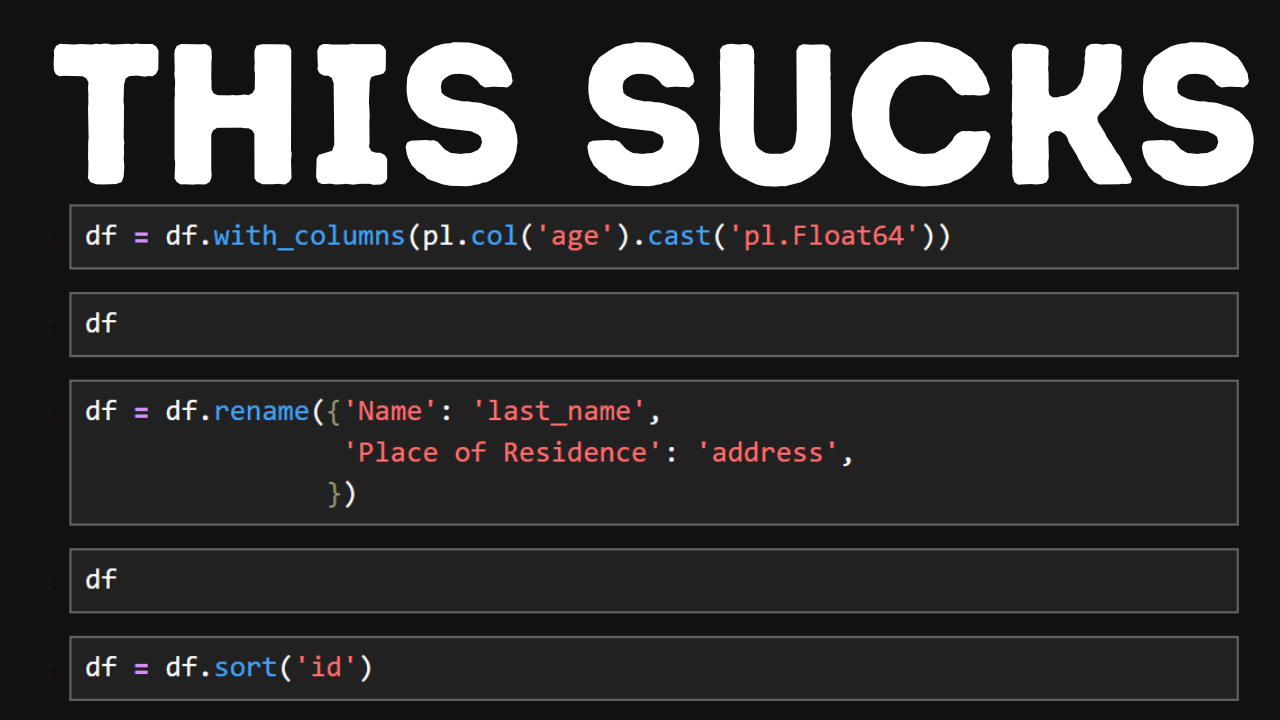
Your Jupyter Notebook CAN’T be Production - Part 1
Your Jupyter notebook can’t be production and the biggest reason is that when things you wrong, it’s an absolute nightmare to debug. So let’s start by solving that problem from the start. In this series we talk about how to turn a Jupyter notebook into something that can actually be put into production, starting with the first step: How you write it.
Don't Let Text Data Blow Up Your Model. TF-IDF and Truncated SVD Tutorial
Not many people realise this, but an LLM can’t be your therapist. A therapist understands meaning. An LLM only sees tokens. To it, “I feel lonely” isn’t emotion, it’s text to convert into numbers. Get that conversion wrong and you get nonsense. Get it right and everything works.
So how do we turn words into data? … TF-IDF and Truncated SVD.
Stop Writing Bad Data Science Code
It’s 4pm on a Friday and your model has “stopped working” in production.
Quarter-end reporting is due next week, so you drop everything to debug.
You rerun cells, check the data, double-check the maths nothing looks wrong. By 6pm, you’re restarting the whole notebook.
Then you find it: a column name change in one Jupyter cell that never propagated.
A simple mistake, but it broke everything.
Instead of relying on luck and “if only’s,” there’s a better way defensive data science.
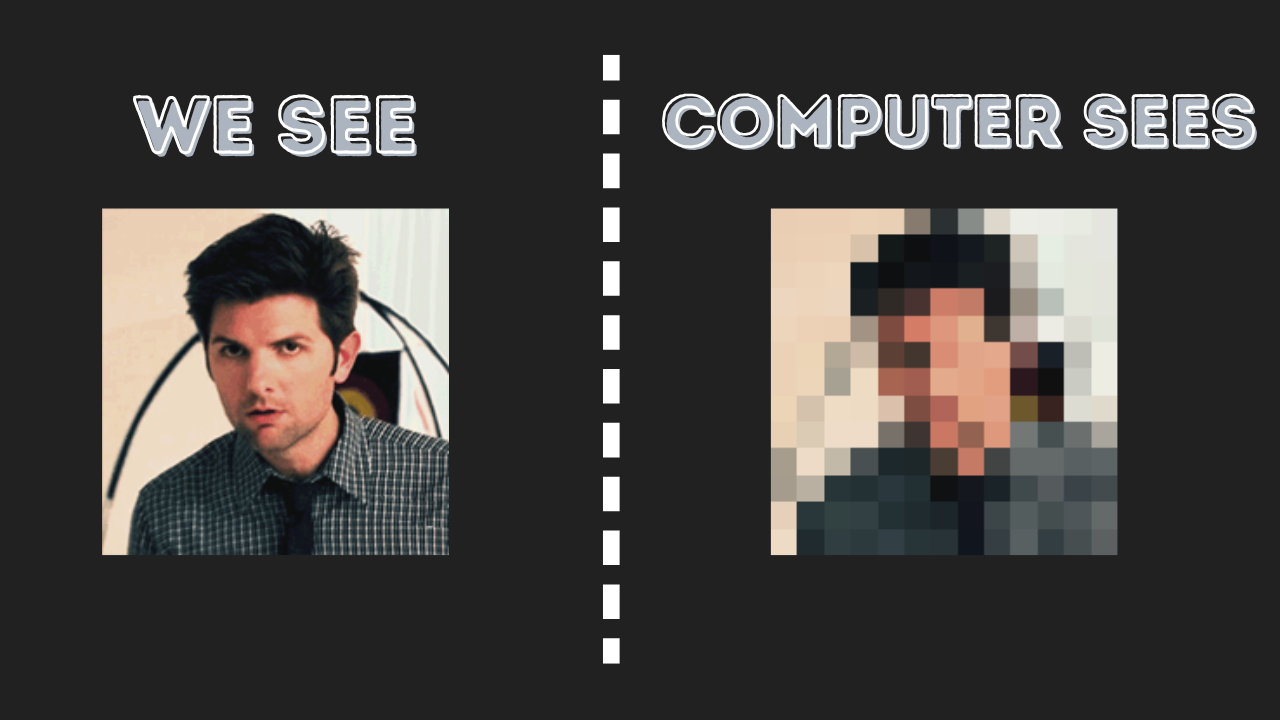
How does a computer see hair?
Have you ever wondered how computers can do this? Today we’re going to learn exactly how to do that.
Detecting someone’s hair colour from an image sounds simple.
Just find the colour of the hair and you’re done.
But when I tried to automate this, the results were completely wrong.
Sometimes the algorithm detected a yellow wall as blonde hair. Other times it picked up a brown shirt instead of the hair.
The problem wasn’t the colour detection.
The real problem was that the computer didn’t actually know where the hair was in the image. And solving that problem turns out to be much harder than it sounds.
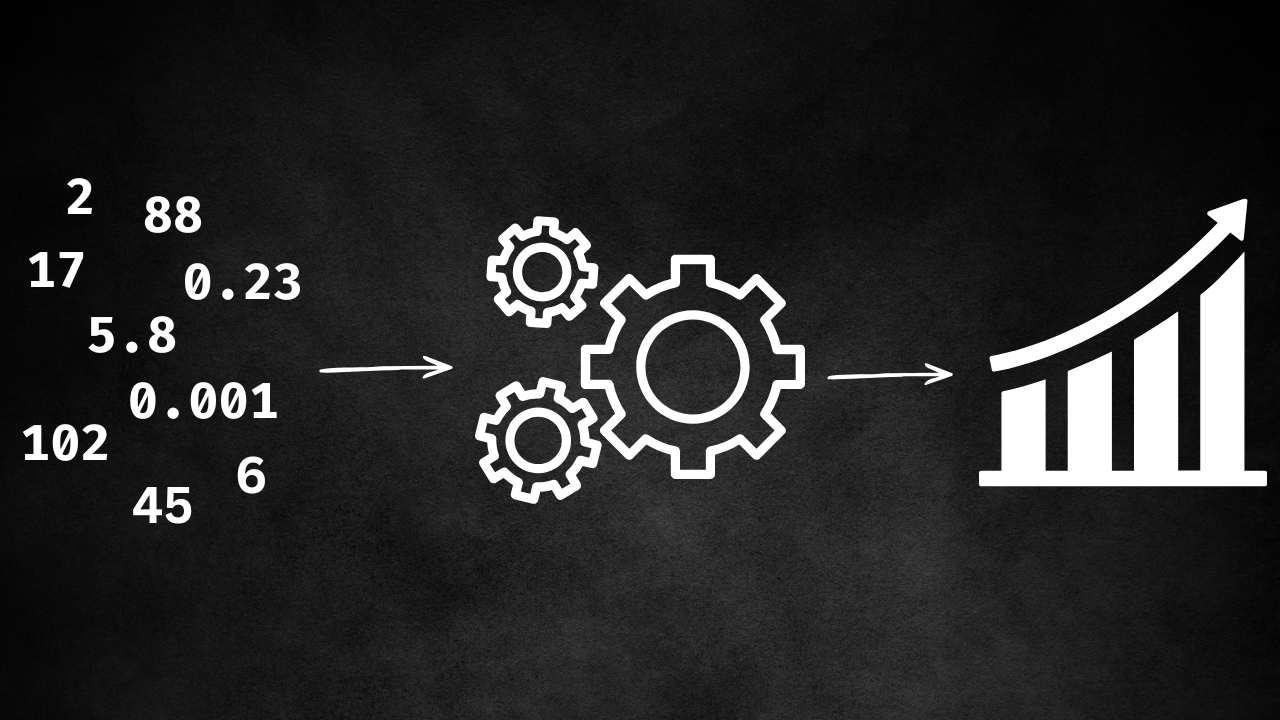
Feature Engineering: A beginner’s guide
Turn messy real-world data into powerful machine learning features. This post shows step-by-step feature engineering: cleaning raw CSVs, crafting meaningful variables, and fixing weak inputs so your data science models actually perform.
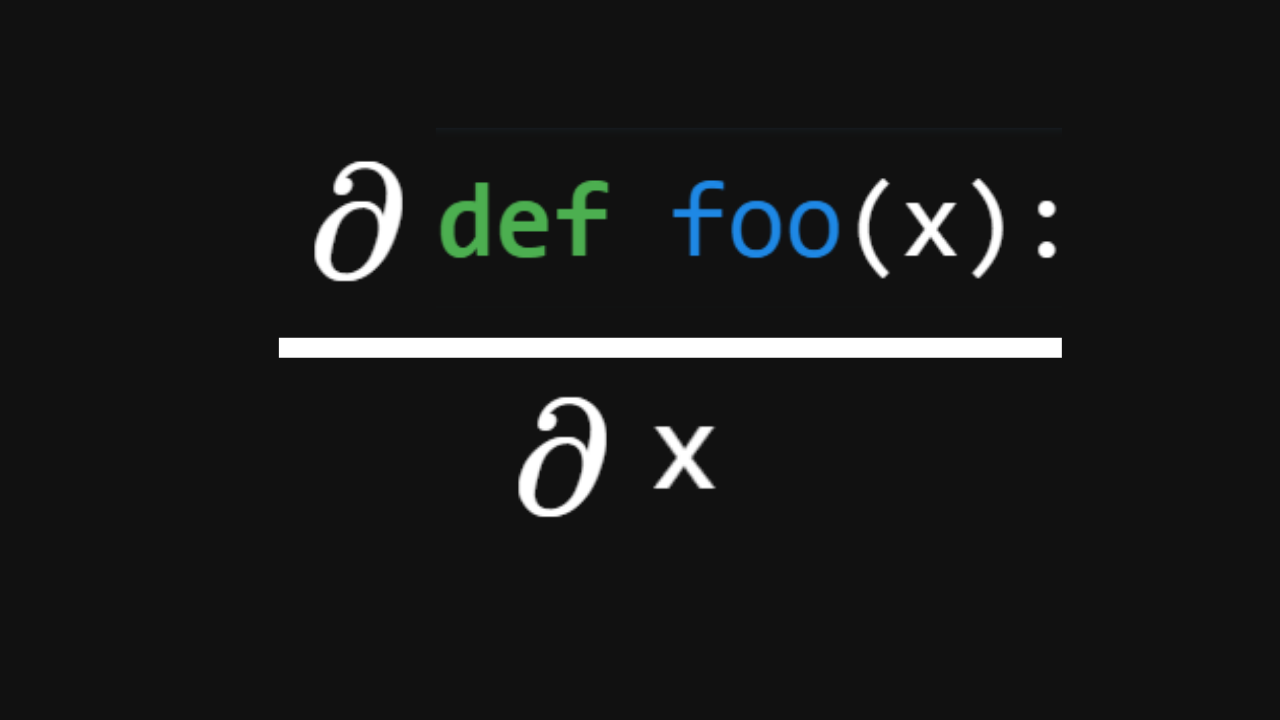
How do you differentiate code?
This post shows how to answer “what if” questions from stakeholders using model sensitivity, scenario analysis, and data science, going beyond theory to make machine learning results clear and business-friendly.
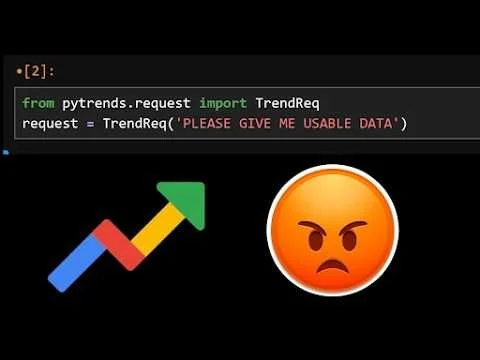
Live Data Science Walkthrough: Making Google Trends Data Usable
Google Trends looks perfect for granular time-series analysis until you download it. This post reveals the hidden aggregation problem in Google Trends data and shows how to rebuild higher-frequency signals for machine learning and forecasting.
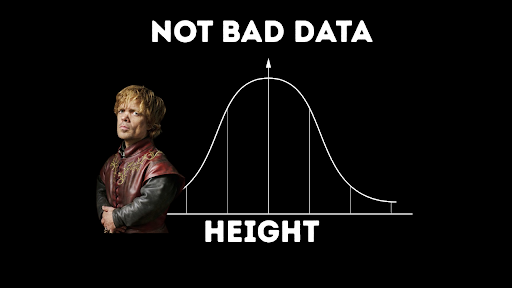
Domain Knowledge: The Machine Learning Unlock
Discover why predicting love with data science is a nightmare. This blog dives into a failed Valentine’s linear regression experiment, exposing bias, messy variables, and why domain knowledge matters more than ever in real-world machine learning and AI.
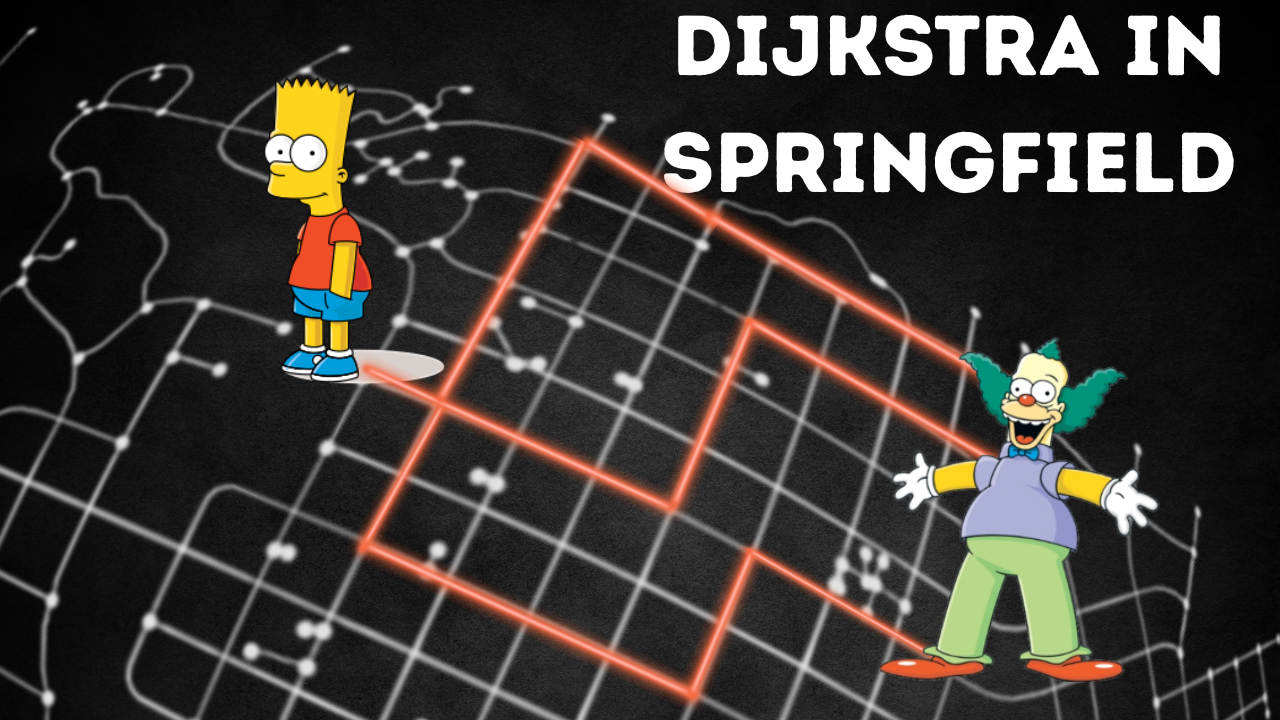
Dijkstra’s Algorithm Tutorial with The Simpsons
Ever wondered how route planning algorithms power Google Maps, LinkedIn suggestions, and Amazon drone delivery? This post explains graph algorithms and optimization through Bart’s trick-or-treating route in Springfield, making complex data science easy to understand.
What is incremental Computing? The Data Science Game Changer
Incremental computing is transforming data science. Instead of rerunning massive models from scratch, this breakthrough lets data scientists update results instantly: saving time, cutting costs, and reducing waste. Discover how smarter, sustainable computation is reshaping analytics.
How to Actually Use ChatGPT
Get a crash course in Large Language Models (LLMs) from a data scientist’s perspective. This blog breaks down how LLMs like ChatGPT actually work, cutting through jargon to explain AI, machine learning, and natural language processing in simple, practical terms.